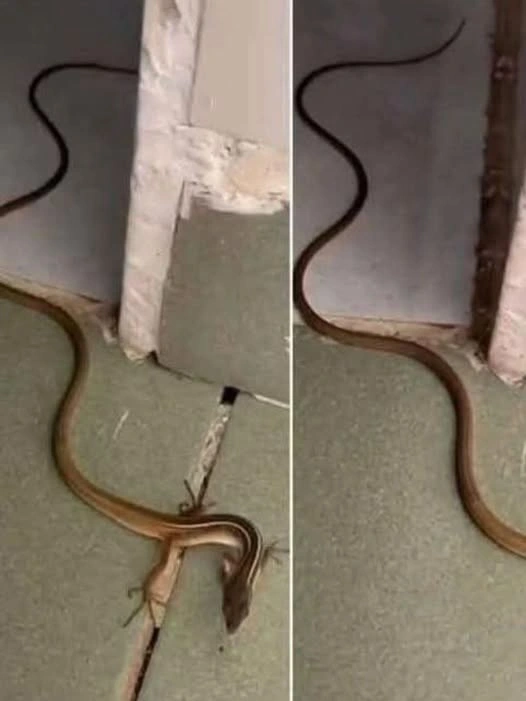
Discovering a serpent within the confines of your living space is an experience that naturally triggers a strong physiological alarm response, yet the most effective way to manage the situation is to maintain a composed demeanor and prioritize safety above all else.
Rather than reacting with immediate aggression or attempting to handle the creature yourself, the primary objective must be to establish a secure perimeter that protects both the occupants of your home and the animal itself while you... begin the process of professional intervention.
The first essential step is to immediately remove children and pets from the vicinity of the snake, ensuring they are relocated to a separate, secure area. Once the area is cleared, refrain from any attempt to touch, trap, or kill the animal.
Attempting to interact with a snake is the most common cause of accidental bites, as the animal will likely perceive your actions as a direct threat. Instead, focus on containment. If the snake is located in a room with a door, gently close it to isolate the animal.
To prevent the snake from slipping underneath the door, roll up a towel or a piece of heavy fabric and place it firmly against the threshold, effectively sealing the gap. This simple barrier is often sufficient to keep the snake contained while you arrange for professional assistance.
While you wait for help, you may observe the snake from a significant, safe distance to note its color, size, and distinct markings, which can be useful information for wildlife experts.
However, it is vital to understand that visual identification based on head shape is notoriously unreliable for the average person.
Many non-venomous snakes mimic the defensive behaviors and physical characteristics of venomous species, and attempting to categorize a snake based on its head shape or pupil structure can lead to a dangerous false sense of security.
Always operate under the assumption that any snake you cannot positively identify is potentially dangerous. If you are unable to safely contain the animal, keep a constant eye on its location from a distance until a wildlife removal professional or local animal control officer arrives on the scene.
In the rare and unfortunate event that a bite occurs, the protocol for emergency response is clear and focused on minimizing systemic damage. Move away from the snake immediately to prevent a second strike. Do not attempt to treat the wound with outdated or harmful methods.
Specifically, do not cut the skin around the bite, do not apply ice, do not use a tourniquet, and absolutely do not attempt to suck out the venom. These actions are ineffective and can cause significant tissue damage or accelerate the spread of toxins.
Instead, keep the affected limb immobilized and at or slightly below heart level, and seek emergency medical attention immediately. Providing medical professionals with a description of the snake or, if possible, a photograph taken from a safe distance can assist them in determining the appropriate treatment.