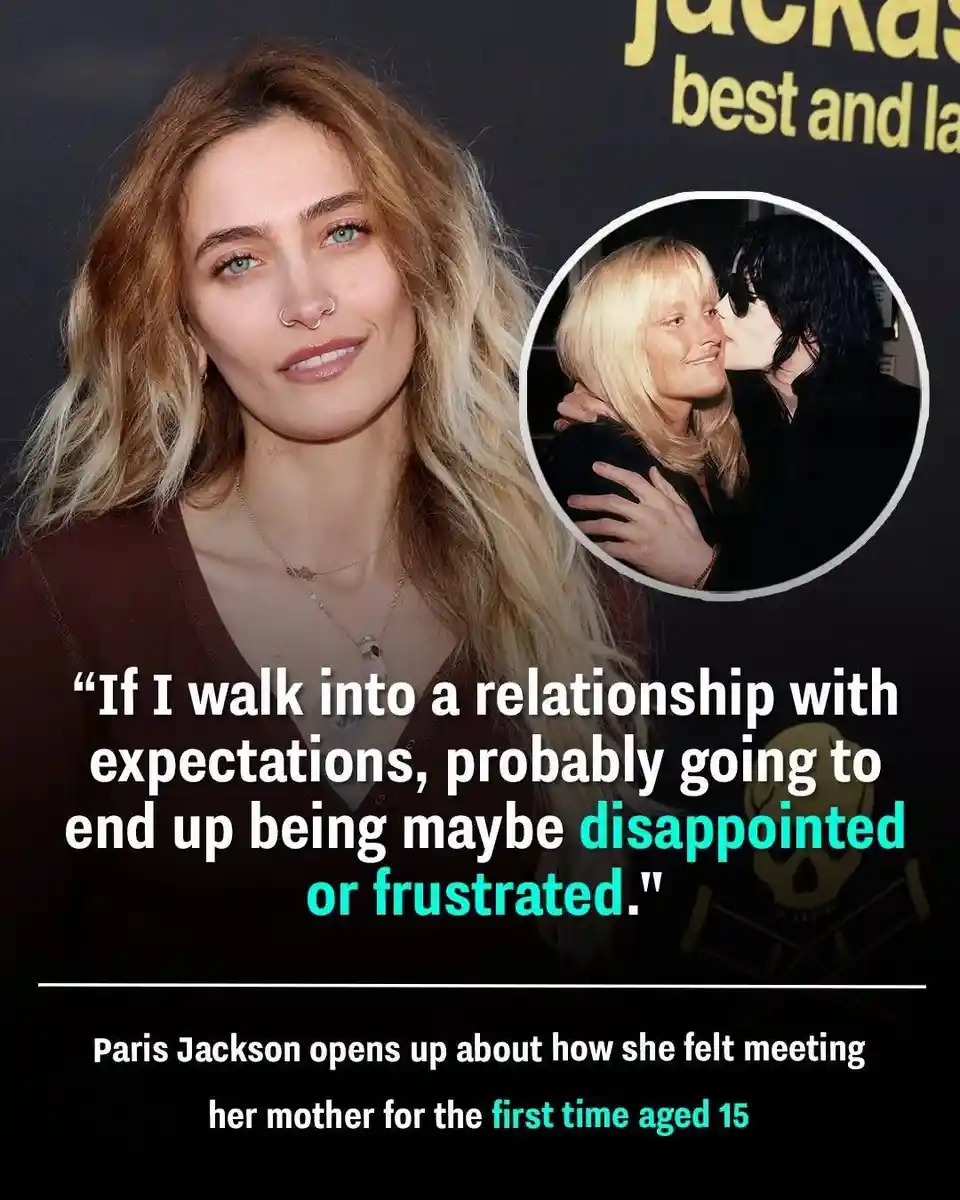
“I think what’s really cool about my process, in general, is learning how expectations kind of mess us up.” That idea may sound simple at first, but it carries a surprisingly powerful lesson about life, creativity, relationships, work, and personal growth.
Expectations can motivate us, but they can also become invisible walls that prevent us from seeing what is actually possible. From childhood, many of us are taught to have expectations.
We are encouraged to imagine what our future should look like, what career we should pursue, how successful we should become, and even what happiness is supposed to feel like. Expectations can give us direction. They can provide goals and something to work toward.
But sometimes, expectations become so strong that we stop experiencing life as it happens. Instead of asking, “What is happening right now?” we begin asking, “Is this what was supposed to happen?” That difference can completely change the way we see ourselves. Imagine someone beginning a new creative project.
Before starting, they imagine the finished product perfectly. They picture how people will react, what others will say, and how successful the result will be. Then reality arrives. The first attempt is messy. Something goes wrong. The result looks different from what they imagined. The natural reaction may be disappointment.
But perhaps the disappointment is not actually coming from failure. Perhaps it is coming from comparison between reality and an imagined version of reality. This is where expectations can “mess us up.” When we expect perfection, normal mistakes feel like failures.
When we expect immediate success, slow progress feels like defeat. When we expect everyone to understand us, disagreement feels like rejection. The problem is not necessarily having expectations. The problem is allowing expectations to become more important than learning. A healthy process often involves uncertainty.
You begin without knowing exactly where you will end. You experiment. You make mistakes. You change direction. You discover something you did not originally plan to discover. And sometimes, the unexpected result is better than the original plan. This is especially true in creative work.
Artists, writers, musicians, filmmakers, designers, and performers often begin with an idea of what they want to create. But the process itself changes that idea. A character develops differently than expected. A song takes an unexpected direction. A photograph captures something the photographer did not anticipate.
A story becomes more emotional than originally planned. If the creator is too attached to the original expectation, those discoveries may be rejected. But if they remain curious, those unexpected moments can become the most valuable part of the process. The same principle applies outside creativity.
Consider a person beginning a new chapter in life. Maybe they move to a new city, start a new job, enter a new relationship, or decide to change their priorities. They may have a detailed picture of how everything should unfold.